
B2B Content Syndication for Lead Generation

Content Syndication as a Growth Lever in B2B Marketing

In the current B2B marketing landscape, where competition is fierce and attention is scarce, even high-quality content struggles to reach the right audience at the right time. Just creating high-quality content is not enough. Dissemination of that content is just as critical.

This is where content syndication continues to plays a vital role in B2B marketing, amplifying content’s reach, capturing demand, and getting intent signals that, in turn, support the sales cycle.

What is Content Syndication?

Content syndication is the practice of distributing content through third-party platforms to reach audiences outside a brand’s owned channels. While often associated with lead and demand generation, its real value lies in strategic distribution rather than volume acquisition.

Content syndication helps brands intercept existing demand by placing content in front of professionals who are already researching problems, exploring solutions, or consuming industry insights.

This is why content syndication has been and remains an integral part of B2B environments where decision cycles are long and multiple stakeholders are involved.

How Content Syndication Works?

Coordination is central for content syndication. It begins with organizations developing content designed to educate or inform, such as articles, reports, or research papers, on topics their target audience is actively exploring.

This content is then distributed through various syndication partners, including media publishers, content networks, and intent platforms, which already have captive audiences of professionals. These partners help ensure the right audience discovers the content at the time of active information consumption.

As audiences engage with the content, their interaction, whether reading, downloading, or registering, creates a signal. In gated or intent-led models, this signal is captured and passed back to the brand as a lead or engagement insight.

This is where marketing teams get involved. using outreach and nurture programs, scoring models, and lead qualification processes to guide the leads through the marketing funnel to be able to hand these leads on to sales.

Content syndication as a strategy helps brands establish trust, as the platform’s credibility reduces friction at the point of engagement and content consumption.

Content Syndication Types

Editorial and Organic Syndication:

This involves republishing full articles on third-party platforms, typically ungated and open for all. The purpose is to amplify reach and build authority through thought leadership. This also aids in SEO.

Gated Content Syndication:

This is where content pieces such as white papers, ebooks, case studies, and on-demand webinars are offered via a registration form. This type is used for top-of-the-funnel (TOFU) & middle-of-the-funnel (MOFU) demand capture and lead generation, and every lead that fills the registration form is sent to the brand whose content is being syndicated.

Intent-Based Syndication:

Content is distributed via intent platforms to audiences who exhibit behavioral signals, such as researching specific topics or solutions. This type of content syndication helps a brand establish relevance and tie the intent signals to its ABM (Account-Based Marketing) strategies.

Paid Syndication Networks:

Brands pay syndication partners to promote content and deliver leads, often driven in a campaign-based model and  priced on a cost-per-lead (CPL) basis. This helps brands create a sustained and dependable pipeline.

Content Syndication and B2B Marketing

Content syndication is typically used in the early stages of the marketing funnel, i.e., the awareness and early consideration stages. It is most effective at initiating conversations rather than closing deals.

Its role is to help brands place themselves in front of the target audience during research phases. Although expecting direct revenue without follow-ups and lead nurturing would be a mistake. However, if nurtured correctly and coupled with a robust qualification process, content syndication leads can drive pipeline growth.

Advantages of Content Syndication

When executed well, content syndication offers several advantages:

  • Reach beyond owned channels.
  • Faster top-of-the-funnel & middle-of-the-funnel growth.
  • Aligns with account-based and intent-led strategies.
  • Efficient reuse of high-performing content.
  • Predictable pipeline growth.

For many B2B teams, it remains one of the few channels capable of delivering targeted reach within defined timelines.

Pitfalls of Content Syndication

It is well established that content syndication has several benefits, however here are some pitfalls that one must watch out for:

  • Poor audience or ICP targeting.
  • Treating syndicated leads as sales-ready.
  • Overly promotional or product-centric content.
  • Lack of post-syndication nurture.
  • Measuring success only by cost per lead.

Syndicated leads are often early-stage researchers. Their value is realized over time, not at first contact.

How to Evaluate The Success of Content Syndication

Evaluating content syndication involves looking beyond conventional metrics. Instead, the following indicators are key to measuring the success of content syndication.

  • Lead-to-MQL conversion rates.
  • Engagement and interaction with follow-up content.
  • Progression through the funnel through nurturing strategies.
  • Impact on pipeline growth.

Content syndication needs to be measured against the above, as it is not a standalone performance channel but the first step towards demand creation.

Types of Content that Work Best in Content Syndication

Most brands and marketers tend to promote the following through the means of content syndication:

  • Educational content (research reports, ebooks)
  • Problem-led and insight-driven (webinars, practical frameworks)
  • Relevant to specific roles or industries (whitepapers, case studies)
  • Immediately useful and easy to consume (webinars, buyer guides)

Content Syndication Vs. Inbound Marketing

While content syndication and inbound marketing are often seen as polar opposites, they work best when done together.

Inbound marketing is a long-term strategy that helps to build trust and credibility through owned channels. On the other hand, content syndication amplifies reach and demand by leveraging external platforms. When syndicated leads are driven through inbound nurture programs, the impact is significantly stronger.

Why Content Syndication Matters in B2B Demand Generation

Content syndication enables brands to target a niche or enterprise-level ICP, navigate long or complex buying cycles, or scale demand within a defined timeline. It is particularly effective when used to support ABM or intent-driven programs, where relevance and timing matter more than raw volume. Content syndication acts as a catalyst, amplifying reach and capturing early interest that can be nurtured over time. However, it is imperative for marketing teams to nurture these leads and keep them engaged and guide them through the marketing funnel.

Conclusion

Content syndication’s real value emerges when it is considered a strategic distribution lever within a broader demand-generation strategy.

Used thoughtfully, it extends reach, captures interest early, and drives downstream engagement.

The difference lies not in the channel itself, but in how well it is integrated into the overall marketing plan.


BANT Framework – The Recipe To Acquire Highly Qualified Leads

The BANT Framework: A Practical Guide to Qualifying B2B Demand

In today’s B2B landscape, demand generation is no longer about generating more leads; it’s about generating high-quality leads. Sales and marketing teams are under severe pressure to engage accounts that are not just interested but are likely to convert. This is where a structured lead qualification framework plays a crucial role in bridging the gap between marketing engagement and revenue realization.

One of the most effective qualification methodologies in B2B marketing is the BANT Framework. By focusing on four critical buying signals (Budget, Authority, Need, and Timeline), BANT enables teams to identify high-intent prospects early, streamline conversations, and shorten sales cycles.

This article delves into the BANT framework, explains how it fits into modern B2B demand generation, and outlines best practices for using it efficiently to drive pipeline growth.

What Is the BANT Framework?

BANT is a sales qualification methodology that helps representatives determine whether a prospect is a good fit for their product or service. It evaluates prospects based on four core dimensions:

  • Budget: Does the prospect have the financial capacity or willingness to invest?
  • Authority: Are you engaging with the actual decision-maker or key influencers?
  • Need: Is there a real business problem your solution can solve?
  • Timeline: When does the prospect plan to make a purchasing decision?

By gathering this information early—often during the very first discovery call—sales teams can prioritize opportunities that are more likely to convert, while marketing teams can optimize lead-nurturing strategies based on a buyer’s readiness to buy.

Why BANT Matters in B2B Demand Generation

In B2B marketing, success depends on the alignment between sales and marketing. While marketing teams focus on awareness, engagement, and intent, sales teams need clarity on which leads to pursue immediately.

The BANT framework helps marketing & sales teams to:

  • Filter high-intent leads from early-stage inquiries.
  • Reduce time spent on unqualified prospects.
  • Improve sales productivity and pipeline growth.
  • Enable faster, more relevant sales conversations.
  • Strengthen marketing-to-sales handoff with actionable insights.

When BANT data points are captured upfront, the time required to record internal client insights is significantly reduced, allowing sales teams to focus on closing rather than qualifying.

How to Use BANT Sales Framework Efficiently

1. Understanding Budget Beyond Dollars: 

Today’s B2B buyers don’t think about budget the way they used to. With flexible pricing, subscriptions, and usage-based models becoming the new norm, cost alone is rarely the deciding factor.

Instead of leading with “What’s your budget?”, B2B marketing teams focus on understanding the value a prospect expects, and whether the investment makes sense.

Here are some key considerations:

  • What result is the prospect hoping to achieve?
  • How would those results impact the business: revenue, efficiency, or growth?
  • Does the ROI justify the investment?

If and when the value aligns with your pricing, the budget tends to fall into place, even if the final figure hasn’t been defined.

2. Pinpointing Decision-Making Authorities:

In B2B buying cycles, decisions are rarely made by an individual. Multiple stakeholders, i.e., functional leaders to executive sponsors, often influence the purchase decision.

To qualify authority effectively:

  • Identify how many decision-makers are involved.
  • Understand each stakeholder’s role, job title, and priorities.
  • Determine who owns the budget versus who influences the decision.
  • Map internal approval processes early.

The more relevant contacts you engage, the lower the risk of deals stalling or falling through. Authority mapping also enables personalized messaging that resonates with different stakeholder motivations, an essential component of account-based marketing.

3. Deciding the criticality of a problem:

Need is the most nuanced element of the BANT framework, and often the most important.

A prospect may express interest, but that interest does not always translate into urgency. To uncover real needs, marketing teams must assess:

  1. Is the prospect fully motivated to solve the problem right now?
  2. What happens if the problem is not addressed immediately?

In many organizations, team-level needs may differ from executive-level priorities. A solution might be valuable to an operational team but not yet critical for leadership, creating friction later in the sales cycle.

Uncovering alignment, or misalignment, between teams and leadership early helps avoid stalled deals and ensures that the identified need is strong enough to support a buying decision.

4. Preparing The Timeline for The Sales Process:

Once budget, authority, and need are established, the final piece of the qualification puzzle is the timeline.

Understanding the buying timeline allows sales teams to:

  • Forecast the pipeline more accurately.
  • Prioritize fast-moving opportunities.
  • Adjust engagement strategies for longer sales cycles.

Key questions include:

  • Is this an immediate need or a future consideration?
  • Does the purchase go through a long approval process, or is it a simple sign-off?
  • Are there external factors influencing the timeline, Eg, budget cycles, contracts, market conditions?

Knowing whether a deal is a short-term opportunity or a long-term nurture helps the marketing and sales teams allocate resources effectively.

Staying notified through multiple channels

Although this is not officially a part of the BANT framework, ongoing engagement is critical for maintaining qualification accuracy throughout the sales cycle.

Staying informed through informal channels helps uncover:

  • Shifts in priorities
  • New stakeholders entering the decision-making process.
  • Emerging needs or objections

Effective tactics include:

  • Following prospects on social media
  • Subscribing to company newsletters
  • Attending publicly accessible events or webinars
  • Monitoring pipeline movement and deal activity

These touchpoints often reveal valuable insights that strengthen BANT qualification and prevent surprises late in the buying journey.

Using Digital Tools to Track BANT Progress

Tools like CRM and sales intelligence play an important role in successfully implementing the BANT framework. These platforms aid teams to:

  • Keep track of where each prospect stands.
  • Document meaningful conversation insights in a structured way
  • Ensure continuity across every interaction and touchpoint
  • Identify gaps that could stall the sales process
  • Assess the level of effort required to move deals forward

With the right tools in place, sales teams can manage multiple opportunities simultaneously while maintaining clarity on where each prospect stands in the buying journey.

How BANT Drives Better Demand Generation Outcomes

The BANT framework, when applied well, helps teams move away from collecting leads and toward creating a pipeline that actually converts.

Key benefits include:

  • Higher number of leads that actually turn into real opportunities
  • Shorter sales cycles
  • Better alignment between sales and marketing
  • Stronger forecasting accuracy
  • Higher chances of closing deals

Ultimately, BANT ensures that both marketing and sales teams focus their efforts on prospects who are not just interested but are ready to buy.

Final Thoughts

The BANT framework remains relevant because it provides structure and clarity to an otherwise complex B2B buying process. Rather than treating qualification as a rigid checklist, BANT works best when used as a guide for meaningful conversations, helping teams understand intent, priorities, and readiness to buy early in the journey.

When applied with flexibility and context, BANT enables better decision-making on both sides of the table. It helps sellers focus their efforts where it matters most, while giving buyers a clearer path to evaluating solutions that genuinely align with their needs and timelines. In an environment where attention is limited and buying cycles are increasingly nuanced, frameworks like BANT remain valuable not because they are prescriptive but because they encourage better questions, better alignment, and better outcomes.

From the Webinar Stage: Strategies and Trends You Need to Know

From the Webinar Stage: Strategies and Trends You Need to Know in 2025

Webinars have become a central pillar of B2B marketing, evolving from static presentations into dynamic, interactive experiences that drive engagement, build authority, and convert leads. In 2025, the webinar landscape will be more competitive than ever and more promising. To stand out, marketers must understand the latest strategies and trends shaping the future of virtual events. This blog explores key developments in webinar marketing, backed by recent data and actionable insights to help you elevate your next session.

Why Webinars Still Matter

Webinars continue to deliver high ROI for B2B brands. They offer scalable engagement, real-time interaction, and long-term content value. According to Livestorm’s 2024 Webinar Marketing Report, 62 percent of marketers increased their webinar activities in 2024 compared to 2023. This upward trend reflects the format’s adaptability and effectiveness across industries. Webinars are no longer just about broadcasting information. They are now strategic tools for nurturing leads, educating audiences, and building communities.

Trend 1: Hybrid Events Gain Momentum

Hybrid events, which combine in-person events and virtual elements like webinars, are becoming the preferred format for many organizations. In 2025, 34 percent of marketers and event organizers plan to add hybrid events to their portfolios, according to Airmeet’s 2025 Event Trends Report. Hybrid formats offer flexibility and inclusivity. Attendees can choose how they participate, and organizers can expand their reach without sacrificing engagement. This format is especially effective for global audiences and tiered experiences, such as exclusive in-person networking and virtual breakout sessions.

Trend 2: AI-Powered Personalization

Artificial Intelligence is transforming webinar workflows. From content creation to audience segmentation, AI tools are helping marketers deliver more personalized and efficient experiences. Key applications include:
  • AI-generated video scripts and captions
  • Smart hyper-personalized email sequences for registration and follow-up
  • Real-time chatbot support during sessions
Platforms like ON24 and Livestorm are integrating AI to automate repetitive tasks and tailor content based on user behavior. Aligning messaging with audience intent saves time and improves conversion rates Watch the webinar: CX as a Competitive Advantage: Omnichannel Personalization

Trend 3: Smarter Engagement Metrics

In 2025, success will be measured by more than just attendance. Marketers will dive deeper into engagement metrics to understand audience behavior and optimize future events. ON24’s 2025 Webinar Benchmarks Report highlights several key stats:
  • Average webinar attendance rose to 216 in 2024, a 7 percent year-over-year increase
  • 57 percent of registrants converted to attendees
  • Average engagement duration reached 51 minutes
These metrics show that well-crafted webinars can captures and sustains audience attention longer than most other digital content. Tracking engagement across polls, Q&A sessions, and post-event downloads provides a more complete picture of audience interest.

Trend 4: Gamification Enhances Interaction

Gamification is becoming a powerful tool for increasing webinar engagement. Features like leader-boards, badges, quizzes, polls and prizes turn passive viewing into active participation. Airmeet’s 2025 report notes that gamification is a growing differentiator for webinar hosts. It boosts retention, encourages learning, and makes sessions more memorable. To implement gamification effectively, align it with your content goals. For example, quiz attendees on key takeaways and reward top scorers with exclusive resources or discounts.

Trend 5: On-Demand Content Takes Center Stage

While live webinars remain popular, on-demand formats are gaining traction. ON24 reports that 45 percent of attendees prefer on-demand viewing due to its flexibility and convenience. This shift means your webinar content should be evergreen and easily accessible after the event. Repurpose sessions into short clips, blog posts, or carousel content to extend their shelf life and reach new audiences. Adding chapter markers, transcripts, and SEO-optimized titles can improve accessibility and discoverability.

Strategy Spotlight: Building a Webinar Funnel

To maximize ROI, webinars should be part of a larger content funnel. Here’s a simple structure: Pre-Webinar
  • Teaser posts on LinkedIn
  • Countdown emails
  • Speaker spotlights
Live Webinar
  • Interactive polls and Q&A
  • Real-time social sharing
  • Clear calls to action
Post-Webinar
  • Thank-you emails with resources
  • Follow-up surveys
  • Repurposed content for blogs and social media
This funnel nurtures leads, strengthens brand visibility, and drives long-term engagement.

Final Thoughts

In 2025, webinars will be more than virtual presentations. They will be immersive experiences that blend technology, strategy, and audience psychology. Marketers can turn every webinar into a high-impact touchpoint by embracing hybrid formats, leveraging AI, and focusing on engagement. The key is to stay agile, audience-focused, and data-driven. With the right approach, your next webinar can do more than inform—it can inspire, convert, and connect.
The Future of Hyper-Personalization in B2B

The Future of Hyper-Personalization in B2B: AI, Privacy, and Buyer Trust

In 2025, hyper-personalization in B2B marketing is no longer a differentiator; it is a necessity. As artificial intelligence matures and data becomes increasingly granular, businesses move beyond broad segmentation toward experiences uniquely tailored to each individual. This shift marks a profound transformation in how brands engage with prospects & buyers, but it also introduces a complex challenge: how do we personalize deeply without compromising privacy or eroding trust?

The answer lies in a new kind of marketing that blends technological sophistication with ethical clarity and human empathy.

AI: From Automation to Anticipation

The evolution of AI has redefined what personalization means in B2B. It’s no longer about inserting a first name into an email or segmenting audiences by industry. Today, AI enables marketers to craft entire buyer journeys that adapt to individual preferences, behaviors, and intent in real time.

Predictive analytics play a central role in this transformation. AI can anticipate buyer needs before they’re explicitly expressed by analyzing historical data, engagement signals, and contextual cues. This allows marketing teams to shape messaging, content, and channel strategy with unprecedented precision. Instead of reacting to buyer behavior, brands can proactively guide the journey, offering solutions, insights, and experiences that align with what the buyer is likely to need next.

This level of responsiveness is especially valuable in complex B2B environments, where multiple stakeholders are involved in purchasing decisions. AI-powered personalization ensures that each buying committee member, whether a procurement officer, technical lead, or executive, receives content tailored to their role, priorities, and pain points. It’s not just about relevance; it’s about resonance.

Generative AI is also transforming execution. Marketers now use these tools to create dynamic landing pages, personalized video content, and custom proposals based on real-time buyer behavior. The result is a marketing ecosystem where every touchpoint feels intentional and aligned with the buyer’s journey.

Privacy: Navigating the Ethical Landscape

As personalization becomes more sophisticated, concerns around data privacy grow more urgent. B2B buyers are increasingly aware of how their data is collected, stored, and used and demand transparency. The ethical use of data is no longer a niche concern; it’s a core expectation.

This shift requires marketers to rethink their approach to data. Complying with regulations is not enough; brands must actively demonstrate respect for buyer privacy. That means adopting consent-first strategies and communicating what data is being collected and why. It means practicing data minimization, using only the information necessary to deliver meaningful personalization. And it means investing in secure infrastructure that protects buyer data from breaches and misuse.

The goal is to build trust through clarity. When buyers understand how their data is being used and feel confident that it’s handled responsibly, they’re more likely to engage. Personalization, in this context, becomes a collaborative experience rather than a transactional one.

This ethical approach to data isn’t just about avoiding risk; it’s about creating value. Buyers who feel respected are more likely to respond positively to personalized outreach. They’re more likely to share insights, participate in conversations, and build long-term relationships with brands that demonstrate integrity.

Also Read: The Importance of Personalization in eCommerce Customer Engagement

Trust: The Foundation of B2B Relationships

Hyper-personalization can build trust, but only when it’s done thoughtfully. When buyers receive content that speaks directly to their challenges, goals, and context, it signals that the brand understands them. It shows that the company isn’t just selling, but it’s listening.

But personalization can also backfire. When it feels invasive or manipulative, it erodes trust and damages relationships. That’s why leading B2B brands are focusing not just on what they personalize but also on how they personalize.

Transparency is key. Buyers want to know how AI tools are shaping their experience, whether it’s influencing recommendations, pricing, or content delivery. By being open about the role of technology, brands can demystify the process and foster confidence.

Equally important is the quality of the content itself. Personalization should go beyond surface-level customization. It should deliver real value, insights that help buyers solve problems, make decisions, and achieve their goals. This means tailoring content to the buyer’s company or industry and their specific role, challenges, and aspirations.

Finally, personalization should enhance, not replace, the human interaction. AI can suggest talking points for sales reps, flag relevant content, or identify engagement trends, but the conversation itself should remain personal. Buyers want to feel heard, not processed. The most effective B2B marketers use AI to support human connection, not substitute it.

Looking Ahead: The Next Chapter of Hyper-Personalization

As we look to the future, hyper-personalization will continue to evolve in three key directions, each driven by the need for more profound relevance, stronger trust, and greater ethical clarity.

First, we’ll see the rise of omnichannel intelligence. AI will unify buyer data across platforms, email, social media, webinars, events, and offline interactions to create seamless, context-aware experiences. For example, a buyer who attends a virtual roundtable might receive a follow-up offer tailored to their questions, delivered via their preferred channel. The experience will feel continuous, not fragmented.

Second, intent-based personalization will become the norm. Instead of reacting to clicks and views, AI will predict what buyers will likely need next. If a buyer explores sustainability-related content, the system might proactively suggest ESG-compliant solutions or invite them to a green tech forum. Personalization will shift from reactive to anticipatory.

Third, privacy-enhancing technologies will reshape how data is used. Innovations like federated learning and differential privacy will allow marketers to generate insights without accessing raw data. This means personalization without intrusion—a win for both compliance and creativity.

Conclusion: Personalization with Purpose

Hyper-personalization in B2B is not just a technological evolution—it’s a philosophical one. It’s about understanding buyers deeply, respecting their boundaries, and delivering value with empathy. It’s about using AI not just to be smarter, but to be more human.

As marketers, our role is to lead with integrity and create relevant and respectful experiences. In the end, trust isn’t built by knowing everything about your buyer—it’s built by showing that you care.

The future of B2B personalization isn’t just more intelligent. It’s more intentional. More ethical. More human.

Follow us on LinkedIn: OnDotMedia 

Mastering the B2B Marketing Funnel

Mastering the B2B Marketing Funnel: From Awareness to Advocacy

The B2B marketing funnel is no longer a linear sequence; it’s a dynamic framework that demands strategic planning, behavioral insight, and authentic engagement at every touchpoint. As buyers evolve, so must our approach to guiding them from initial awareness all the way to brand advocacy.

This blog explores each stage of the funnel with actionable tactics and insights drawn from trusted industry sources.

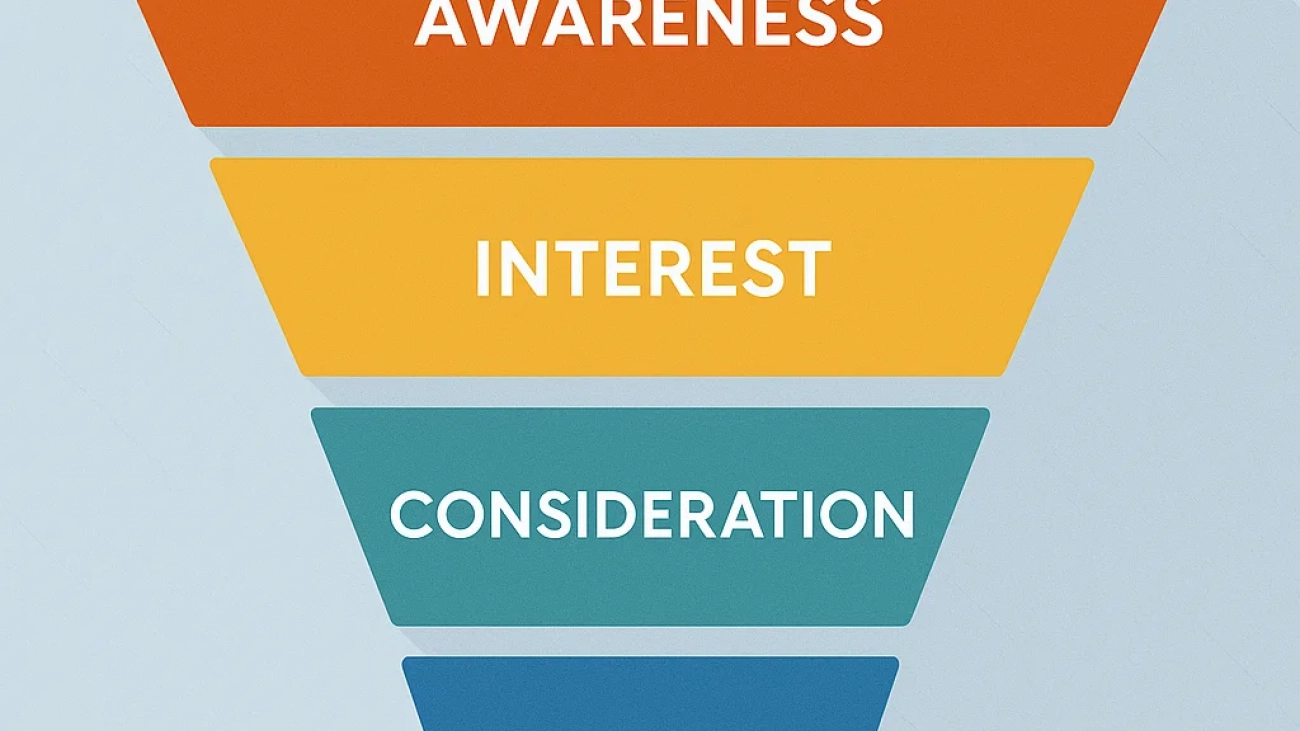
Stage 1: Awareness, Establishing Credibility Early

The awareness stage is about making your brand discoverable and memorable. According to Content Marketing Institute, thought leadership and value-driven content are essential for building trust before a buyer even considers their options.

Key Approaches:

  • Create SEO-optimized blogs and LinkedIn articles that position your brand as a category expert.
  • Host topical webinars and panel discussions that signal authority and relevance.
  • Leverage organic and paid campaigns across LinkedIn, YouTube, and emerging platforms such as TikTok, where niche audiences can be reached with creative storytelling.
  • Use behavioral segmentation tools to target audiences based on their preferences and pain points, not just their job title.

Integrating narrative-driven messaging helps humanize complex products and sets the tone for deeper engagement.

Stage 2: Consideration – Shaping Perception Through Proof

Once a prospect is aware of your brand, the consideration stage becomes a filter for credibility. According to Demand Gen Report, case studies and peer recommendations are among the most influential content types at this stage.

Key Approaches:

  • Highlight client success stories through video testimonials, blogs, and carousel posts.
  • Offer product comparison content that simplifies decision-making and presents solutions transparently.
  • Follow up webinars and events with digestible takeaways, reinforcing your knowledge leadership.
  • Implement retargeting campaigns tailored to browsing behavior and identified objections.

Your messaging here must reflect relevance and empathy, speaking directly to the decision-maker’s pain points and buying motivations.

Stage 3: Decision – Guiding Confident Action

The decision stage is where marketing alignment with sales becomes non-negotiable. According to Gartner, B2B buyers prefer self-service options, but expect personalized engagement when they do reach out.

Key Approaches:

  • Offer product walkthroughs, sandbox trials, or interactive demos to reduce perceived risks.
  • Provide transparent pricing structures with scalable tiers to suit varying budgets.
  • Ensure your sales team is equipped with content like one-pagers, objection handlers, and conversation guides.
  • Consider incentive-based nudges, such as limited-time packages or consultation credits, to accelerate decisions.

At this stage, clarity, speed, and personalization determine conversion outcomes.

Also Read: The Next Big Thing in B2B social media

Stage 4: Retention – Prioritizing Value Post-Sale

Customer retention is the foundation of sustainable B2B growth. According to Forrester, businesses that invest in post-sale experience outperform competitors in customer lifetime value.

Key Approaches:

  • Develop onboarding sequences that include product walkthroughs, milestone check-ins, and proactive support.
  • Schedule quarterly business reviews (QBRs) focused on value delivery, not just upsell opportunities.
  • Provide access to exclusive content, industry benchmarks, trend reports, or early product previews.
  • Facilitate peer-to-peer communities or forums where customers share best practices and build loyalty organically.

Retention is not reactive, it thrives on structured, proactive engagement.

Stage 5: Advocacy – Cultivating Champions for Growth

Advocacy transforms the marketing funnel into a flywheel effect. According to HubSpot, customer advocates reduce acquisition cost and amplify brand credibility more effectively than paid campaigns.

Key Approaches:

  • Launch referral initiatives with streamlined sharing options and meaningful rewards.
  • Encourage user-generated content through spotlight features, interviews, or client-led webinars.
  • Promote customer success on owned channels, highlighting how others use your solution to excel.
  • Establish Customer Advisory Boards (CAB) that engage your most loyal users in shaping future strategy.

Advocacy isn’t about brand loyalty alone, it’s a strategy to accelerate credibility, retention, and innovation.

Integrating the Funnel: Adapting to a Non-Linear Journey

According to McKinsey, B2B buyer journeys now span dozens of digital and offline interactions. Marketers must adopt adaptive frameworks that respond to varied buyer intent signals.

Recommended Tactics:

  • Link content across stages with smart CTAs and dynamic web journeys.
  • Use CRM and marketing automation to segment audiences by behavior and personalize outreach.
  • Nurture leads through long sales cycles with relevant resources tailored to their evolving needs.

Every touchpoint should signal clarity, empathy, and expertise, no matter the stage.

Conclusion

Mastering the B2B marketing funnel is a blend of strategic storytelling, data-informed personalization, and human-centric engagement. By aligning your content and outreach with each stage of the buyer journey, you turn prospects into partners and customers into advocates.

If you’d like to turn this into a campaign framework, carousel series, or even tailor it for your own brand voice, I’d be glad to help with that next.

Why B2B Influencer Marketing Is Picking Up Pace

Why B2B Influencer Marketing Is Picking Up Pace

Not too long ago, influencer marketing was mainly seen as a B2C thing. Makeup tutorials, unboxing videos, and travel vlogs are great for reaching consumers directly. But times have changed. Today, B2B brands are diving into influencer marketing, too, and it’s not just a passing trend. There’s a solid reason behind this shift.

B2B buyers now want more than sales pitches. They want to hear from people who’ve been in their shoes, understand the nitty-gritty and can explain things without sounding overly corporate or promotional.

Buyer Behavior Has Changed Big Time

Think about how buying decisions happen today. Most professionals don’t go straight to a brand’s website or hop on a call with sales. Instead, they seek opinions, recommendations, and reviews on LinkedIn, Twitter, online communities, and industry-specific podcasts.

According to Gartner, around 83% of the B2B buying process happens before anyone even talks to a sales rep. That’s huge. It means that first impressions are made by people not part of your company, influencers, peers, analysts, and consultants who’ve built trust within their networks.

So, Who Exactly Is a B2B Influencer?

They’re not your typical Instagram celebrities or YouTube stars. B2B influencers are more like knowledgeable professionals, often consultants, tech experts, marketing strategists, startup founders, or LinkedIn creators who’ve built credibility in a specific niche.

What sets them apart is their focus on sharing real, experience-driven insights. They don’t just promote a tool or solution for the sake of a partnership. Instead, they talk about how they’ve used it, what worked, what didn’t, and what they learned along the way.

Most importantly, they help humanize technical topics, which is a big deal in a world full of jargon.

Also Read: A Step-by-Step Guide to Setting an Influencer Marketing Budget

What Makes B2B Influencer Marketing So Effective?

There’s more to it than just reach or visibility. Here’s what makes it worth the investment:

  • Trust and credibility — People tend to trust individuals more than brands. Influencers feel like peers, not marketers.
  • Better engagement — A well-written LinkedIn post from an influencer often performs way better than a polished company update.
  • Higher content impact: These voices help turn complex topics into relatable stories, making them easier to understand and more shareable.
  • Access to tight-knit communities — Some influencers are active in niche groups and Slack channels you’d never reach through ads alone.

Unlike traditional marketing, this isn’t about pushing out campaigns but sparking conversations.

Real Examples That Prove It Works

Take SAP, for example. They teamed up with tech influencers to co-create blog posts and podcasts, which resulted in much higher engagement than usual.

Cisco started the Champions Program to highlight technical experts who loved its products. It has since become one of Cisco’s most organic and trusted marketing channels.

IBM built long-term relationships with futurists who regularly created thoughtful content around emerging tech. That content helped shape perception and drive inbound interest without sounding like advertising.

These aren’t just nice-to-haves. They’ve become strategic pillars in brand storytelling.

Worried It’s Just Hype? Let’s Address That

Some hesitate when they hear “influencer” and “B2B” in the same sentence. It sounds like a mismatch. But this kind of marketing isn’t about chasing popularity; it’s about creating helpful content with trustworthy voices.

The biggest challenges are:

  • Finding people who align with your brand values
  • Making sure they’re not just posting for pay
  • Measuring ROI beyond likes and impressions

All that’s possible is to treat influencer marketing like a relationship, not a one-off campaign.

How to Actually Make It Work

Start with the basics:

  1. Know what you’re trying to achieve — awareness, leads, event attendance, community growth, etc.
  2. Find influencers who already talk credibly about your industry. Look at their engagement, not just their follower count.
  3. Give them room to co-create. Let them speak in their own voice and share genuine experiences.
  4. Track impact in terms of actual results like clicks, sign-ups, and referrals, not just reach.

It’s also smart to think long-term. Build partnerships where both sides grow, and not just transactional shoutouts.

Final Thoughts

B2B influencer marketing is about making genuine connections and content that feels helpful. It’s not a shortcut, and it’s not always flashy. But when done right, it builds trust, expands your reach, and helps your brand sound more human.

If your audience hangs out on LinkedIn, follows niche experts, listens to podcasts, or reads community blogs, you’ve already got a reason to explore it.

Follow us on LinkedIn: OnDotMedia 


Email Marketing Mistakes

10 Email Marketing Mistakes That Are Quietly Killing Your Open Rates

If your open rates are stubbornly stuck in the single digits, even with clean lists and catchy subject lines, then it’s time for a diagnostic check. The truth? Great email marketing isn’t just about what you say but also about what you unknowingly overlook.

Here are 10 surprisingly common mistakes that could sabotage your email performance and what to do about them.

  1. Sounding Like Every Other Subject Line in the Inbox

You’ve probably seen them: “Last Chance!” or “Important Update Inside.” These subject lines used to work until every brand started using them. Now, they’re invisible.

A more human approach: Speak like you’re writing to a real person, not a faceless crowd. Would you tell a friend, “Important Offer Inside” or “Don’t Miss Out”? Probably not. Instead, tease curiosity: “The 3-second trick we tested last week, here’s what shocked us.” Be original, even a little vulnerable or quirky. That’s what stands out.

Also Read: How to Choose a Good Email Marketing Software

  1. Treating Send Time Like a One-Size-Fits-All Formula

It’s easy to fall into the trap of “best practices,” like assuming Tuesday at 10 AM is everyone’s sweet spot. But let’s face it: your audience has routines, meetings, and inbox behaviors that don’t follow a template.

The human fix: Consider who your subscribers are, not just when others say they’re online. Are the founders catching up late? Marketers scanning inboxes between meetings? Test different send times and actually listen to the data. You might find gold in the off-hours.

  1. Sending From a Name That Feels Robotic

“Noreply@company.com” is like knocking on someone’s door and refusing to say your name. If you want a connection, lead with it.

More real, relatable: Use a person’s name (like “Neha at Beacon”) or create a brand persona that feels like a trusted guide. The sender’s name isn’t just functional; it’s emotional. It tells people if this email is from someone they know and trust or yet another sales pitch from a stranger.

  1. Wasting the First Impression with Boring Preview Text

Preview text is your second shot at the open. If it repeats the subject line or, worse, defaults to “View this email in your browser,” you leave interest on the table.

Make it whisper a secret: Use those few characters to build tension, spark curiosity, or hint at value. If the subject says, “We tried something weird with onboarding,” the preview could say, “It either flopped or changed everything (guess which).”

  1. Treating Everyone Like They’re the Same Subscriber

Sending a one-size-fits-all email blast is like giving the same birthday gift to your 5-year-old cousin and your grandfather, well-intentioned but painfully tone-deaf.

Segment to show you see them: Every subscriber has a different story, whether it’s job role, engagement level, or how they found you. Honor that by delivering what’s most relevant to them. Personalized emails don’t just perform better. They feel better.

  1. Designing for Desktops in a Mobile-First World

We all love a good-looking email, but let’s not pretend your audience is unpacking it on a giant monitor. Most are reading between Zoom calls or during their commute.

Empathize with the thumb-scrollers: Make it beautiful and effortless. Use short paragraphs, tappable buttons, and layouts that load fast on the go. Don’t sacrifice clarity for aesthetics; design for real humans, not design awards.

Also Read: All You Need to Know About Email Marketing

  1. Dumping a New List Without Earning Inbox Trust

You can’t just show up unannounced with 50,000 new contacts and expect deliverability to smile at you. That’s like throwing a party and flooding the guest list with strangers that someone will complain.

Warm your audience like you’d warm a lead: Introduce yourself, gradually ramp up the frequency, and engage your most responsive subscribers first. Build a rapport before going big. Inbox trust is slow to earn and quick to lose.

  1. Skipping the “Why Should I Care Now?” Angle

Timing matters. Even your best email will get trashed if the reader doesn’t see why it’s worth opening today, not someday.

Create relevance at the moment: Tie your message to urgency, seasons, trending topics, or upcoming decisions. “New webinar” is fine. But “Join 200+ peers tomorrow to learn how GenAI is disrupting security” is compelling now.

  1. Clinging to a Bloated List Like It’s a Badge of Honor

We get it! Every marketer hates shrinking their list. But keeping disengaged contacts is like carrying dead weight. Not only do they not open, but they hurt your reputation with inbox providers.

Choose quality over vanity metrics: Run regular engagement audits. Give subscribers chances to opt back in. And when someone goes dark for months, let them go with grace. Your open rates and deliverability will thank you.

  1. Focusing So Much on the Open That You Forget the Reader’s Journey

Congrats! They opened it. Now what? If the body copy rambles or feels like filler, you’ll lose the click and the trust.

Respect their time like you’d want yours respected: Start strong. Deliver one clear value. They also use formatting, bullets, headers, and a bold, unmistakable CTA to guide their eyes. Your message should flow like a good story, not feel like a chore.

Also Read: Maximizing Engagement: The Power Video Content

Final Thoughts

Email marketing is as much an art as it is a science. With inboxes more crowded than ever, avoiding these common mistakes is crucial if you want to stand out and connect with your audience.

Improving your open rates isn’t just about writing catchy subject lines. It’s about delivering relevance, building trust, and optimizing your strategy based on data and user behavior.

Take a closer look at your last few email campaigns. Are you making any of these 10 mistakes? If so, now’s the time to make a change and start turning your emails into opens, clicks, and conversions.

Follow us on LinkedIn: OnDotMedia 

The Rise of AI-Generated Content in B2B Marketing

The Rise of AI-Generated Content in B2B Marketing

As companies increasingly turn to AI-generated Content to engage their audiences, this technology’s benefits, risks, and best practices merit thorough exploration. Artificial intelligence (AI) has ushered in a new era in content creation, particularly within Business-to-Business (B2B) marketing. 

The Benefits of AI-Generated Content in B2B Marketing

1. Increased Efficiency and Scalability

One of the most significant advantages of AI-generated content is its ability to enhance efficiency. Traditional content creation is often time-consuming and labor-intensive, requiring substantial human resources to research, write, and edit materials. AI tools can automate many of these processes, allowing businesses to produce a large volume of Content in a fraction of the time. This scalability is particularly useful for B2B marketers who must continuously generate fresh content to engage their target audiences and stay relevant in competitive markets.

2. Data-Driven Insights

AI-generated content benefits from advanced analytics capabilities. AI tools can process vast amounts of data to extract meaningful insights about customer behavior, trends, and preferences. By leveraging these insights, marketers can create more targeted and relevant content that resonates with their audience. Data-driven content strategies can lead to better engagement rates and higher conversion rates, as the content speaks directly to the needs and interests of customers.

3. Personalization at Scale

In the B2B sector, personalization is key to establishing strong relationships with clients. AI-generated content can facilitate personalized communication on a larger scale than ever before. Using customer data, AI tools can tailor content based on individual behavior and preferences, ensuring that messages are relevant and engaging. This level of personalization fosters deeper connections with potential clients and enhances the overall customer experience.

4. Search Engine Optimization (SEO)

High-quality content is essential for improving search engine rankings, and AI can play a critical role in content optimization. AI tools can analyze current search trends and keyword performance, enabling marketers to create engaging content that is more likely to rank well in search engine results. This ensures visibility and increases the chances of attracting prospective clients.

Also Read: Humanizing B2B Brands in a Digital Age

The Risks of AI-Generated Content

1. Quality Concerns

While AI can produce content quickly, there is a risk that the quality may not meet the standards that human writers typically uphold. AI-generated content sometimes lacks the depth, creativity, and critical insights humans can provide. Businesses must implement rigorous quality assurance processes to ensure all AI content aligns with their brand values and messaging.

2. Loss of Human Touch

The B2B industry often thrives on personal relationships and nuanced communication. AI-generated content may sometimes come across as robotic or impersonal, which can alienate potential clients. The challenge is to balance AI’s efficiency with the essential human touch that builds rapport and trust in professional relationships.

3. Ethical Considerations

Using AI in content creation raises ethical questions regarding originality and intellectual property. There is a risk of producing content that unintentionally plagiarizes existing works or fails to credit sources appropriately. Marketers must ensure that AI-generated content adheres to ethical standards and respects intellectual property rights.

Best Practices for Utilizing AI-Generated Content in B2B Marketing

1. Establish Clear Guidelines

Organizations must establish clear guidelines for its use to maximize the benefits of AI-generated Content while mitigating risks. This includes defining the types of content for which AI can be employed, the level of human oversight required, and the standards for quality and tone. A clear framework will help ensure that AI content aligns with the overall marketing strategy and brand identity.

2. Combine AI with Human Expertise

While AI can automate content creation, the collaborative approach of blending AI capabilities with human expertise is crucial. Organizations should leverage AI tools for data analysis, idea generation, and initial drafts while retaining human writers for editing, refinement, and adding unique insights. This combination enhances the quality and depth of content while benefiting from AI’s efficiency.

3. Regularly Review and Optimize content

Once AI-generated content is published, monitoring its performance and making necessary adjustments is essential. Utilizing analytics tools to assess engagement metrics, user feedback, and SEO performance can inform future content strategies. Continuous optimization helps businesses refine their approach and align content with evolving audience preferences.

4. Ensure Transparency with Audiences

Transparency is key to maintaining trust with audiences. B2B marketers should be open about using AI-generated Content, which fosters credibility and reinforces positive brand perception. By clarifying that AI is a tool to enhance content quality and relevance, businesses can alleviate concerns about authenticity.

Conclusion

The integration of AI-generated Content in B2B marketing presents significant opportunities and challenges. Businesses can enhance their content strategies by leveraging AI’s efficiency and data-driven insights while maintaining a strong human touch and ethical standards. Embracing best practices will ensure that AI is a valuable tool in creating engaging, relevant, high-quality content that resonates with target audiences.